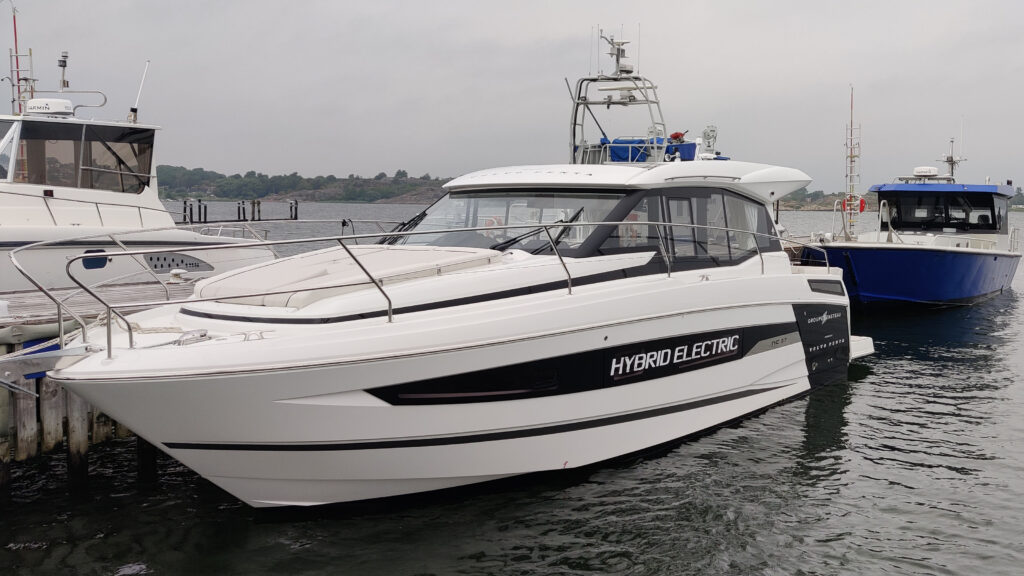
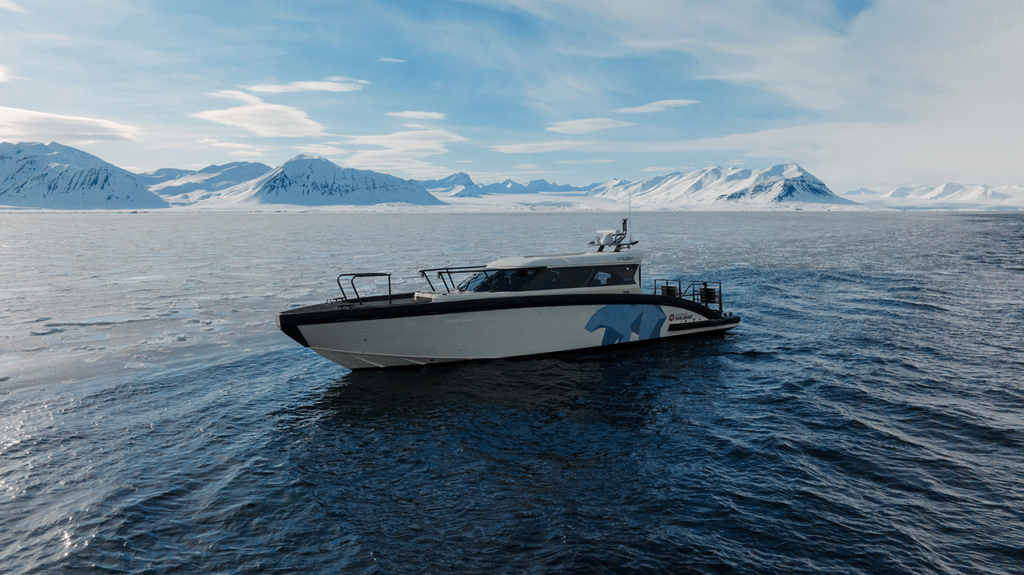
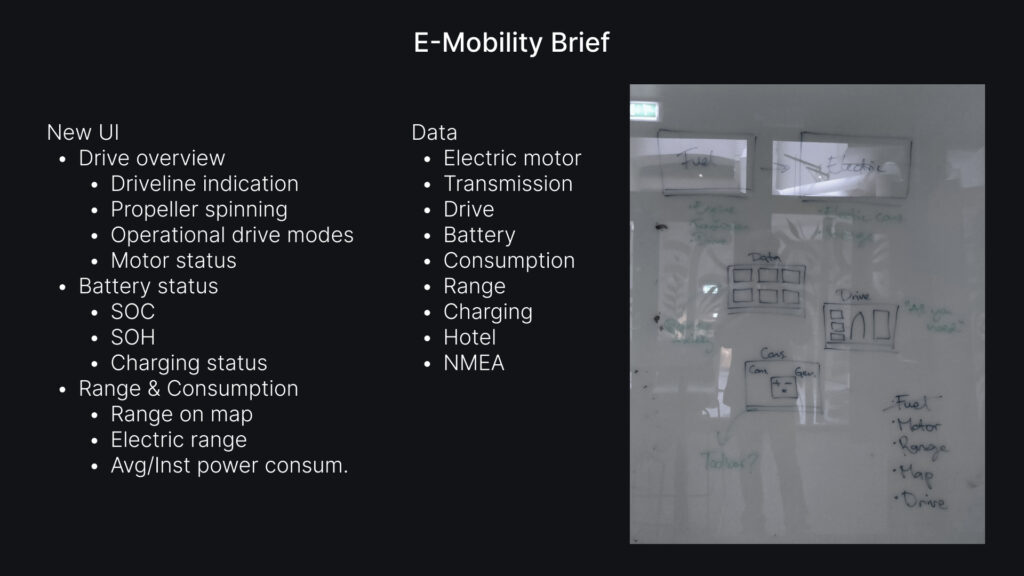
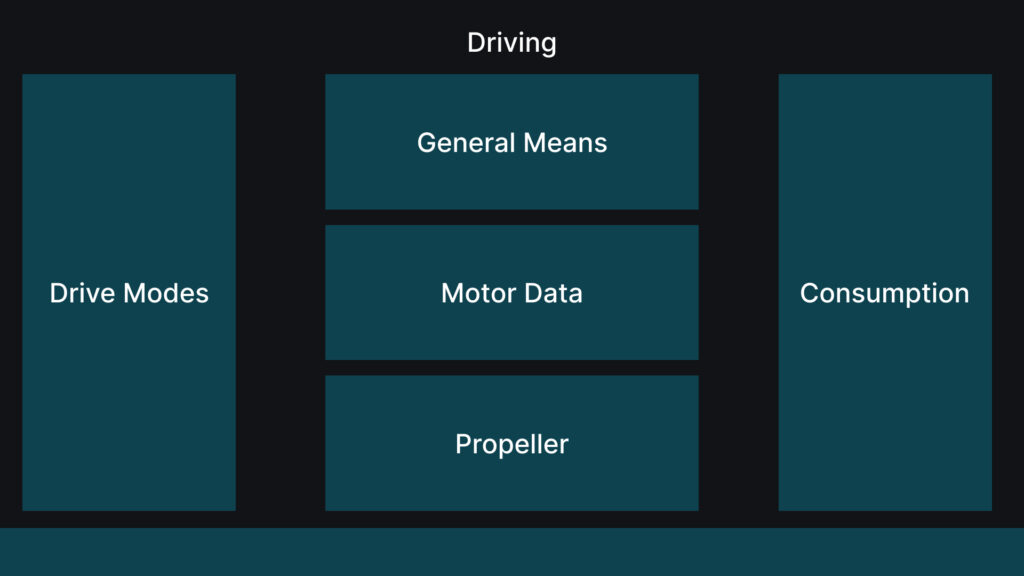
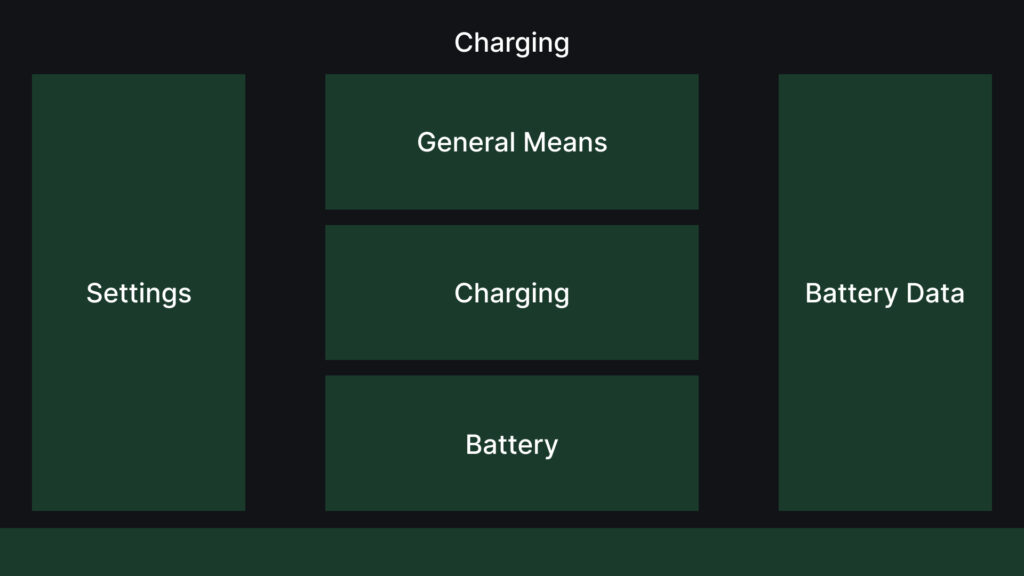
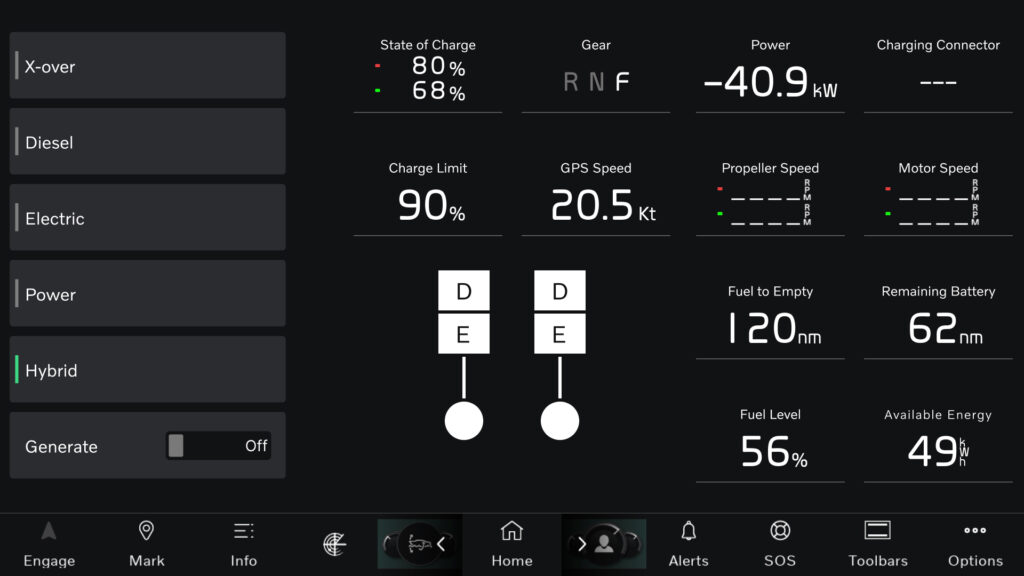
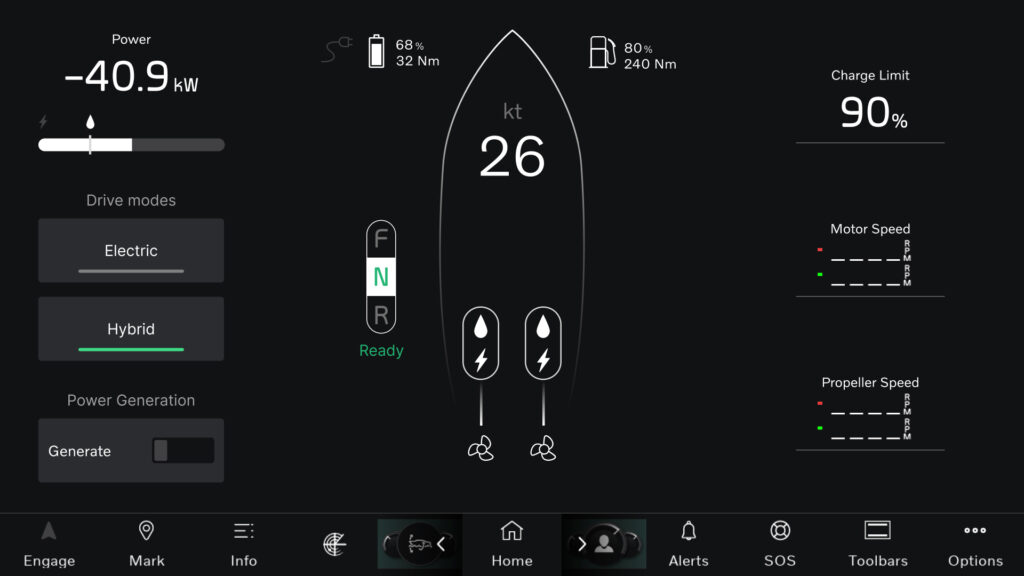
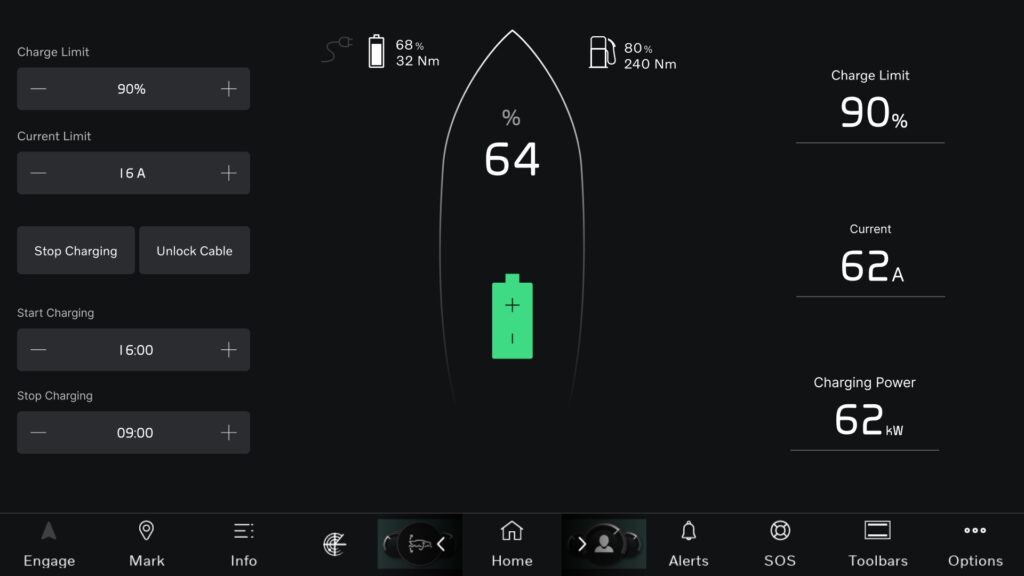
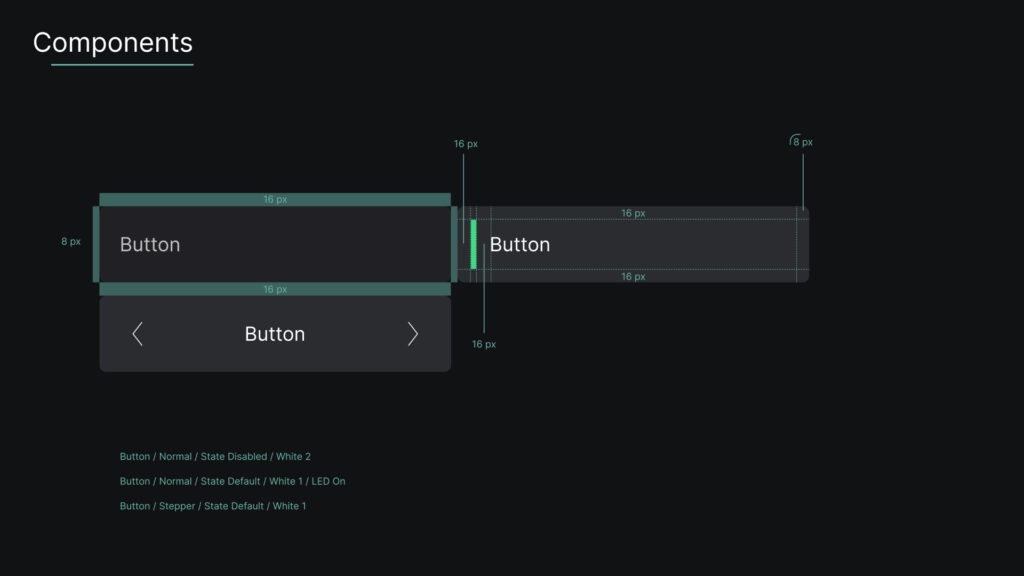
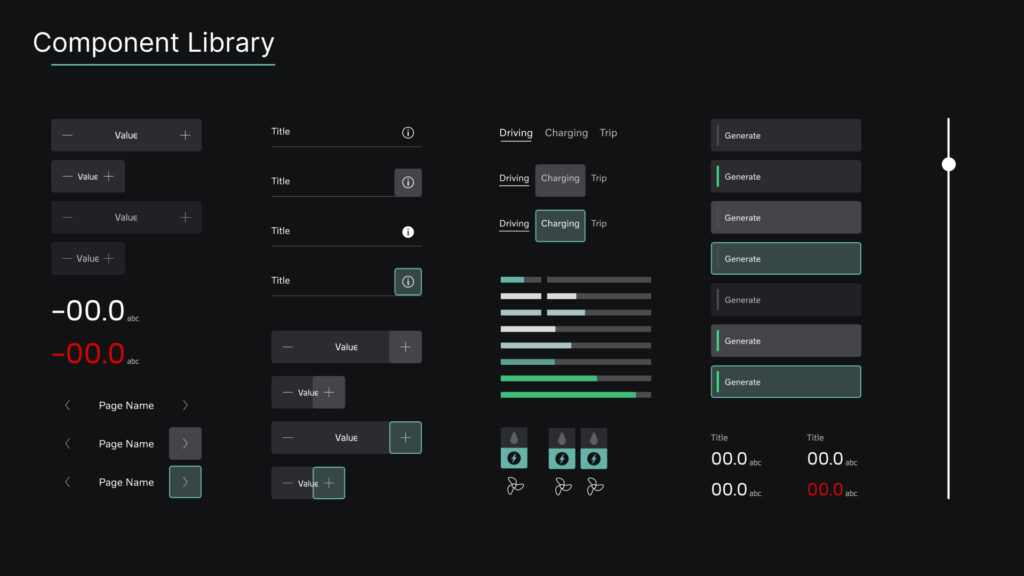
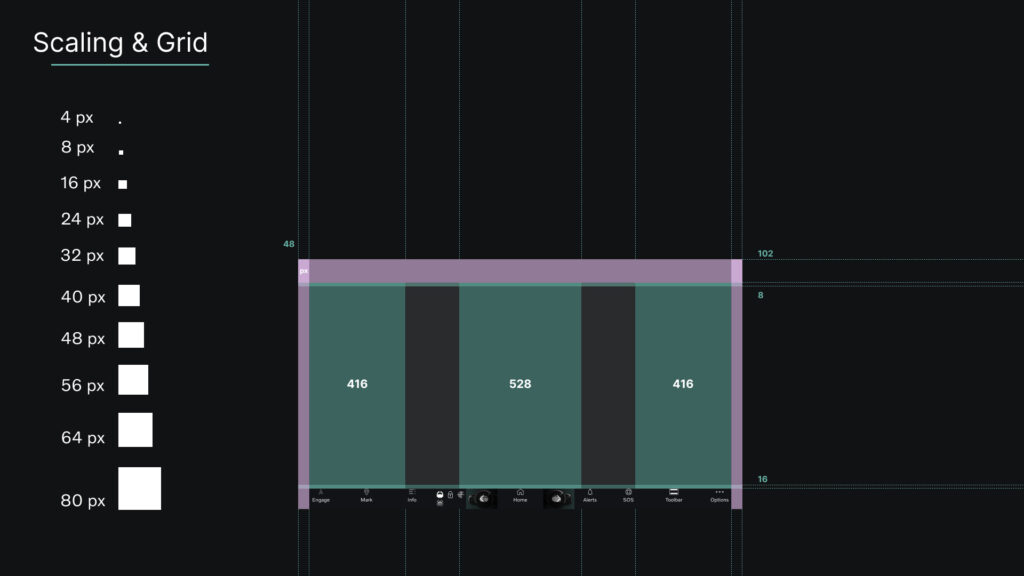
The project resulted in a suite of new pages and interactions within the existing Glass Cockpit product to ensure compatibility with the new electric mobility vessels. Encouraged by the project results, Penta approved its adoption as the new UI for upcoming electric vehicles, marking a significant milestone for the project.
HMI Engineer
In my role as an HMI Engineer at Volvo Penta, I played a pivotal role in enhancing and maintaining the Glass Cockpit product. This involved serving as the crucial link between developers, designers, and function owners, fostering seamless collaboration to optimise product outcomes. With a focus on aligning technical development, design aesthetics, and functional requirements, I played a central role in steering the evolution of Glass Cockpit, ensuring it attained the highest standards of usability, innovation, and reliability.
Glass Cockpit
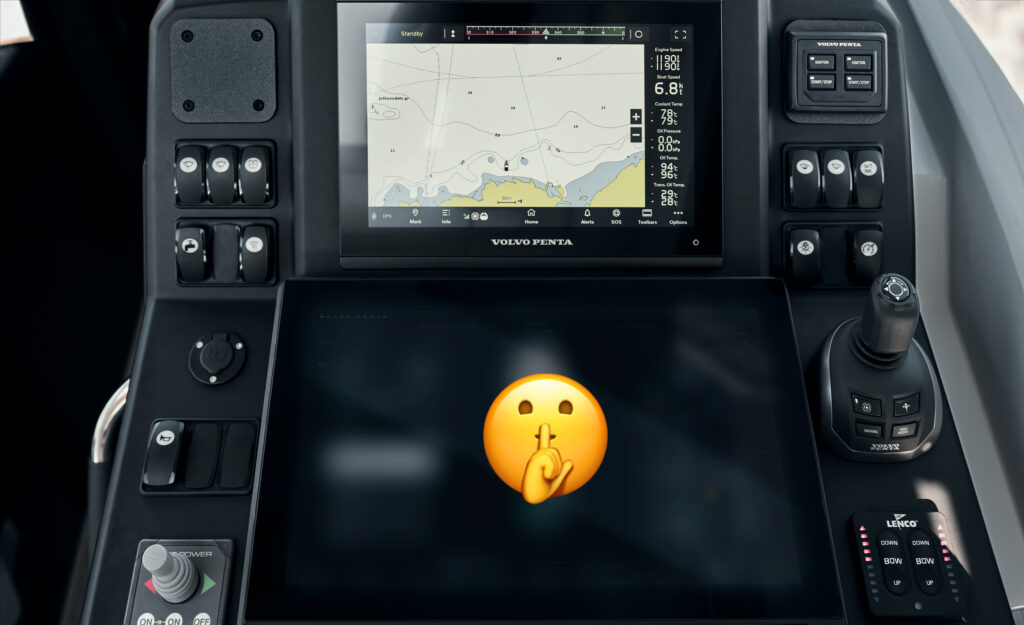
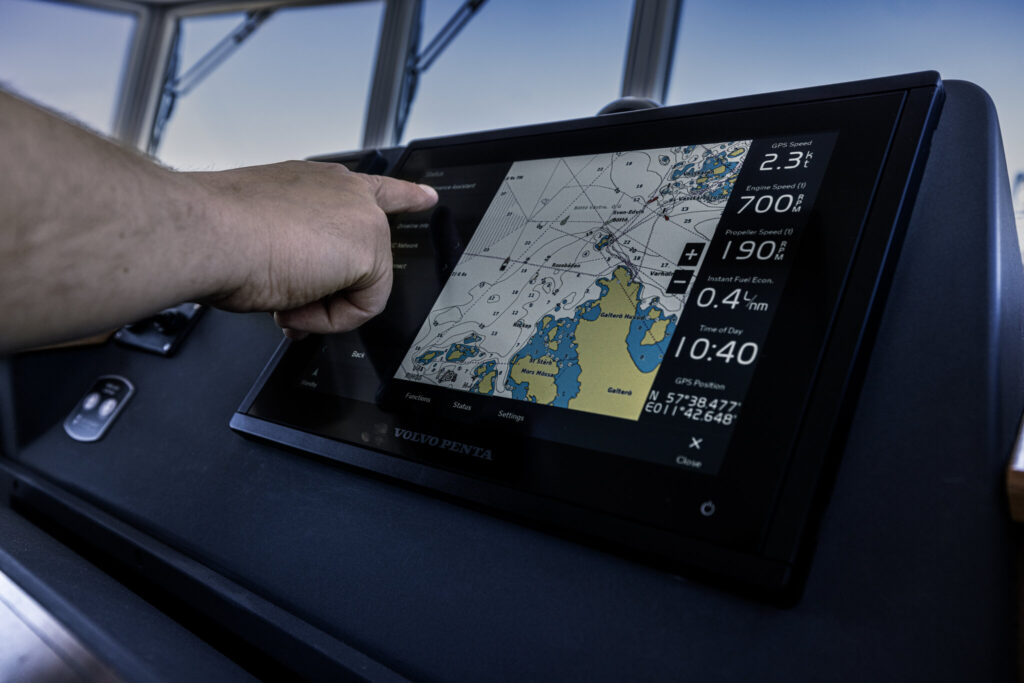
As a joint effort between Volvo Penta and Garmin Marine, Glass Cockpit represents a state-of-the-art multifunctional display aimed at enhancing the navigation and vessel control experience. Integral to Penta’s Electronic Vessel Control (EVC) system, Glass Cockpit serves as the central hub, facilitating seamless integration and coordination of all other parts and functions of the boat. With its fusion of Garmin’s industry-leading navigation features and Penta’s electronic vessel control, Glass Cockpit delivers a precise and seamless navigation experience to marine enthusiasts, professionals, and boat owners across various vessels.
Empowering Vessel Electrification
During my time at Penta, my flagship project focused on electric boats, addressing the rising demand for electric propulsion in marine contexts. I played a key role in efforts to seamlessly integrate Glass Cockpit with cutting-edge technology for these vessels, involving detailed planning, collaboration with cross-functional teams, and the integration of e-mobility features. In envisioning Volvo Penta’s electric boat segment’s future, we identified diverse user needs, ranging from water sport enthusiasts to yacht owners. To ensure our solutions met these needs, my team and I conducted extensive user studies and benchmarks.
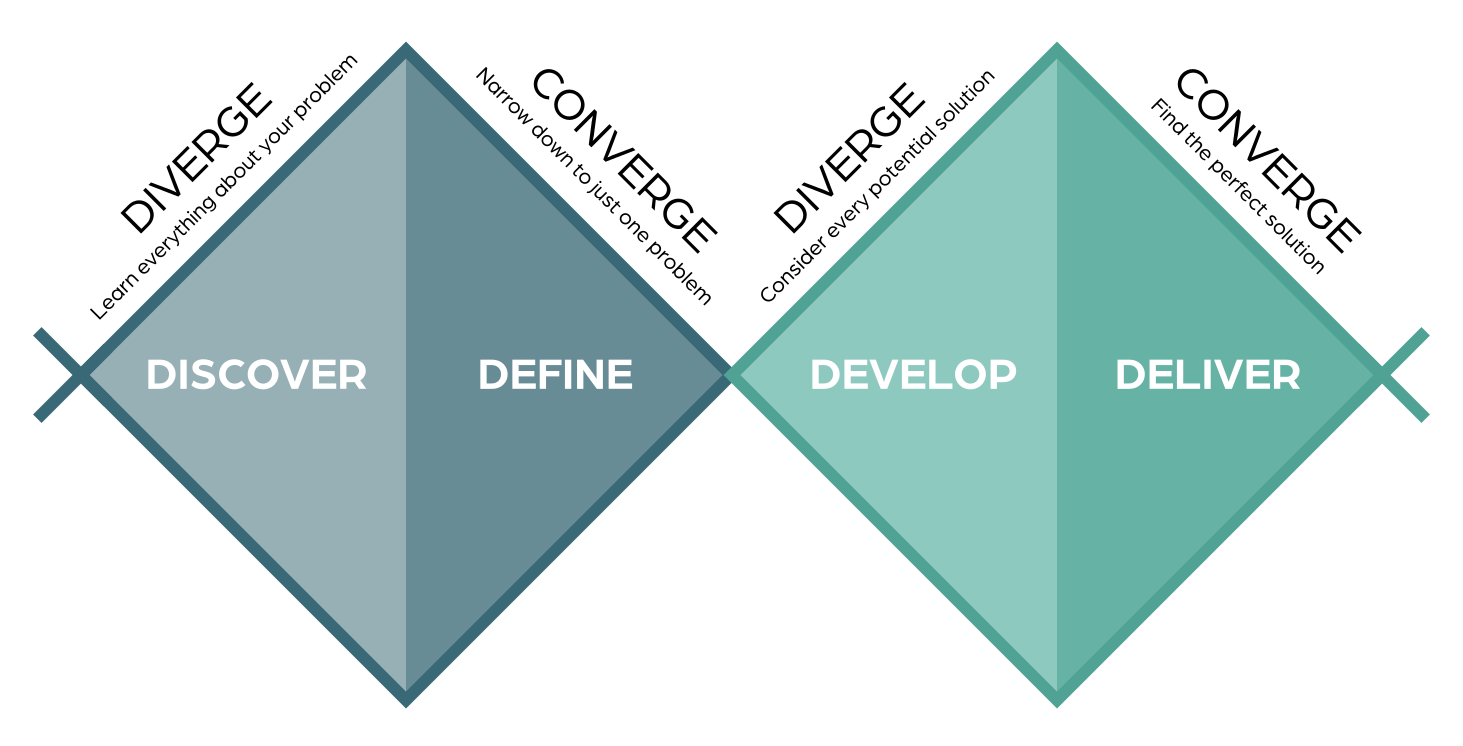
A Double Diamond process
Utilising the Double Diamond approach, we collaborated to refine and enhance the product, striving to surpass user expectations by creating a user experience that facilitates seamless interactions, effortless operations, and easy-living aboard an electric vessel. Extensive user testing validated our user-centric design approach, with the Glass Cockpit interface receiving positive feedback and high scores.
Discover
The primary objective of the project was to seamlessly integrate Penta’s cutting-edge electric propulsion technology into marine contexts by enhancing Glass Cockpit to support the needs of electric boat users.
My role
In my diverse role, I undertook a variety of tasks, from strategic planning to hands-on design execution. I played a crucial part in defining project scopes, outlining detailed product requirements, gaining insights into user needs, and leading concept design initiatives. Beyond the initial development phase, I continued to maintain and enhance Glass Cockpit, ensuring it remained up to date with technological advancements.
Problem Statements
• How might we enhance the Glass Cockpit interface to seamlessly integrate e-mobility features and meet the evolving needs of electric boat users?
• How can we ensure smooth integration of new features and data into the Glass Cockpit interface to enhance usability and functionality?
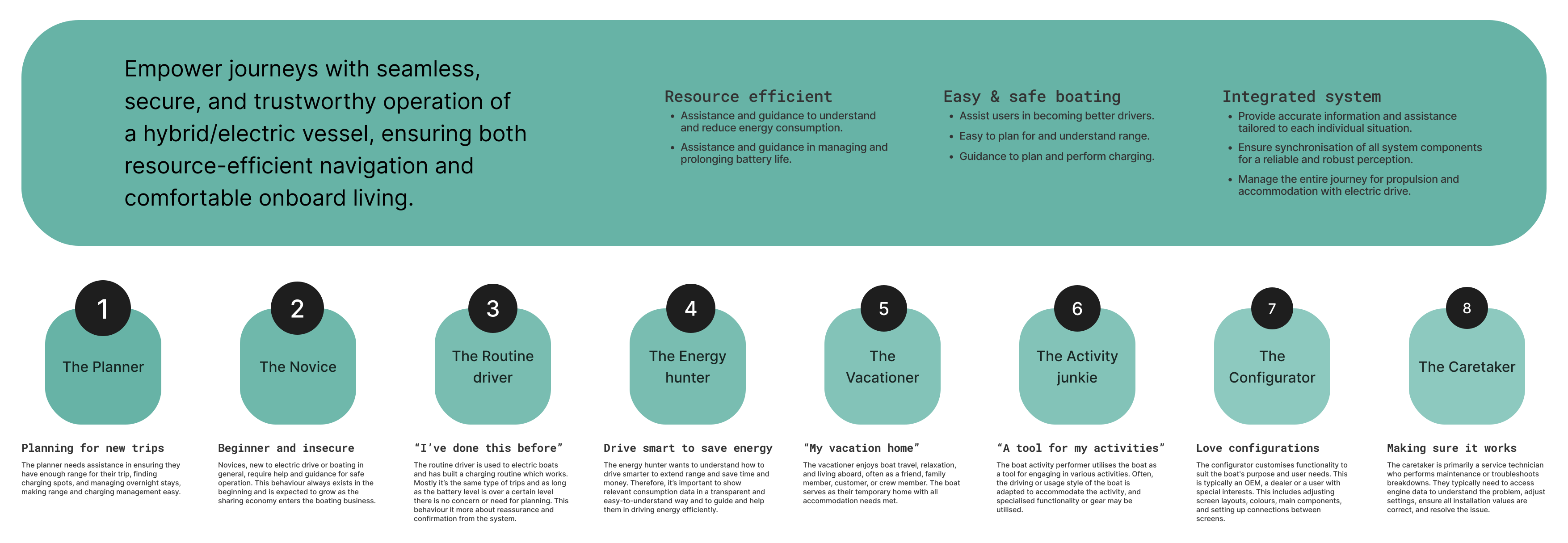
• What methods can we employ to develop comprehensive user personas and user journey maps for electric boat users to better understand their behaviours and pain points?
• How might we create a comprehensive User Experience (UX) plan that addresses all aspects of electric vessel use to improve user satisfaction and engagement?
• What strategies can we implement to document the feature development process and integration guidelines for Glass Cockpit to streamline future updates and enhancements?
Define
Impact mapping was a crucial component of our project as it allowed us to gain a comprehensive understanding of our users’ needs, behaviours, and pain points. By meticulously analysing user personas and journey maps, we were able to identify key touch-points and opportunities for improvement throughout the user journey.
Additionally, the impact map played a pivotal role in fostering cross-functional collaboration within our team. By providing a shared understanding of our target users and common vision, it facilitated productive discussions and decision-making processes across engineering, design, and product management teams.
Develop
In addition to user mapping, personas, and user journey insights, as well as our internal expertise, we drew upon benchmarking and best practices from the automobile industry to inform our iterative development process for the Glass Cockpit interface. By analyzing and adapting successful interface designs and features from automotive counterparts, we aimed to leverage proven strategies for enhancing user experience and usability.
Beginning with low-fidelity prototypes, we focused on capturing essential user interactions and feedback loops. As the design evolved, we iteratively increased fidelity, incorporating more detailed visual elements and functionality.
Deliver
Throughout each stage of the process, we continuously validated our design decisions against user needs and expectations, ensuring that the final interface was intuitive, user-friendly, and aligned with our overarching project goals. This iterative approach enabled us to create a Glass Cockpit interface that exceeded the user expectations, setting a new standard for excellence in user experience within the e-mobility segment.
Figma was used for planning, ideation, conceptualisation, and prototyping, Illustrator was used to create visual attributes and logos, meanwhile Maze was used as a tool for user testing and evaluation.
Main takeaways
• Emphasised the importance of user-centric design principles in creating impactful interfaces
• Highlighted the value of iterative design processes in defining, refining, and improving user experiences
• Demonstrated the significance of stakeholder engagement and approval in driving project success and adoption
• Reinforced the critical role of user testing in validating design decisions and ensuring user satisfaction
• Positioned as an HMI engineering, showcasing the ability to set scope, cross-functional teamwork, and deliver innovative and user-friendly solutions within the e-mobility sector
Disclaimer: Since a substantial part of the work undertaken in this project is not yet publicly released, I am only able to showcase and discuss specific aspects of the project.